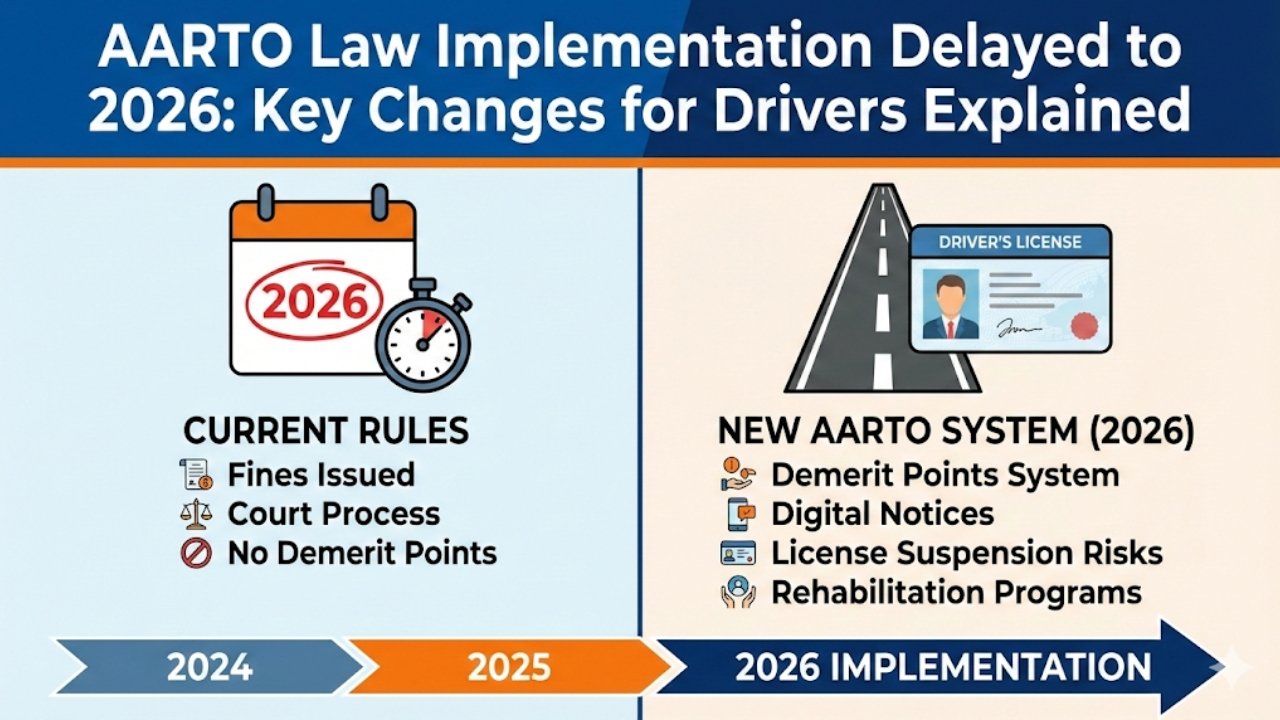
South Africa’s AARTO law, designed to overhaul traffic fine enforcement, faces yet another delay with full implementation now pushed to 2026. This Administrative Adjudication of Road Traffic Offences system promises a fairer, more structured approach to handling violations, replacing the chaotic criminal court process that often overwhelms drivers. Motorists can breathe a little easier in the short term, but preparing for the changes ahead remains crucial.
Phased Rollout Timeline
The rollout kicks off with selected municipalities like Tshwane, Johannesburg, and Ekurhuleni starting enforcement from December 1, 2025. By April 1, 2026, the rest of the country joins in, with the demerit points system activating fully around July or September 2026. This staggered approach gives local authorities time to upgrade cameras, databases, and admin processes. Past legal hurdles, including court challenges in Cape Town, caused earlier delays, but officials now aim for nationwide consistency.
Demerit Points System Unveiled
At its core, AARTO introduces a points-based deterrent where every licensed driver begins with a clean slate of zero points. Accumulate points from offenses like speeding or running reds, and thresholds trigger consequences—six points for novices, 12 for light vehicles, and 15 for heavier ones lead to suspensions. Points drop off gradually—one every three months if you stay clean—encouraging long-term good habits. This shifts focus from one-off fines to repeat offender accountability.
Stricter Fines and Processes
Fines will sting more under AARTO, with many offenses carrying doubled penalties compared to today. The process unfolds in clear stages: an initial infringement notice gives you 32 days to pay (with a 50% discount if prompt), followed by a courtesy letter, then an enforcement order if ignored. Automation via license plate cameras speeds things up, reducing paperwork but demanding quick driver responses. Courts step back, letting an independent tribunal handle disputes fairly.
Key Impacts on Daily Driving
Unresolved fines could block license renewals, vehicle disc renewals, or even car sales and transfers. Fleet operators face extra scrutiny, needing to name drivers for violations or risk joint liability. Insurance companies might hike premiums or void policies if suspensions occur, hitting businesses hardest. Everyday drivers should routinely check the AARTO portal for notices to avoid nasty surprises at licensing offices.
| Offense Category | Example Violations | Demerit Points | Fine Range (ZAR) |
|---|---|---|---|
| Speeding (Minor) | 1-10 km/h over | 1 | 500-1,000 |
| Speeding (Major) | 30+ km/h over | 6 | 3,000-6,000 |
| Red Light Running | Ignoring signal | 4 | 2,000-4,000 |
| Using Phone | Handheld device | 2 | 1,000-2,000 |
| Overloading | Excess passengers | 3 | 1,500-3,000 |
Preparing as a Responsible Driver
Stay proactive by registering on the AARTO website to track fines and pay early for discounts. Dashcams or apps can contest unfair camera tickets with evidence. Novice drivers, especially, must prioritize caution since their lower threshold means quicker suspensions. Communities and road safety groups welcome the system for curbing reckless behavior, though some worry about admin burdens in rural areas.
Business and Fleet Considerations
Companies with vehicle fleets will need robust tracking to identify drivers and settle fines swiftly. Non-compliance risks license blocks across entire operations, disrupting logistics. Training programs on AARTO rules could become standard, alongside telematics for monitoring speed and compliance. Early adopters in pilot cities report smoother operations once systems sync up.
Lingering Uncertainties Ahead
While the framework solidifies, debates persist over municipal readiness and potential tweaks. Critics argue it places too much onus on drivers to prove innocence, and insurance ripple effects remain unclear. Official sources stress verification, as details may evolve. Overall, AARTO aims to foster safer roads by making violations stick without clogging courts.
FAQs
Q1: When does AARTO fully start?
Full demerit points activate by July-September 2026, after initial municipal phases.
Q2: How do points disappear?
One point drops every three months with no new offenses.
Q3: Can fines block my license?
Yes, unpaid enforcement orders halt renewals or transfers.
Disclaimer
The content is intended for informational purposes only. You can check the official sources; our aim is to provide accurate information to all users.