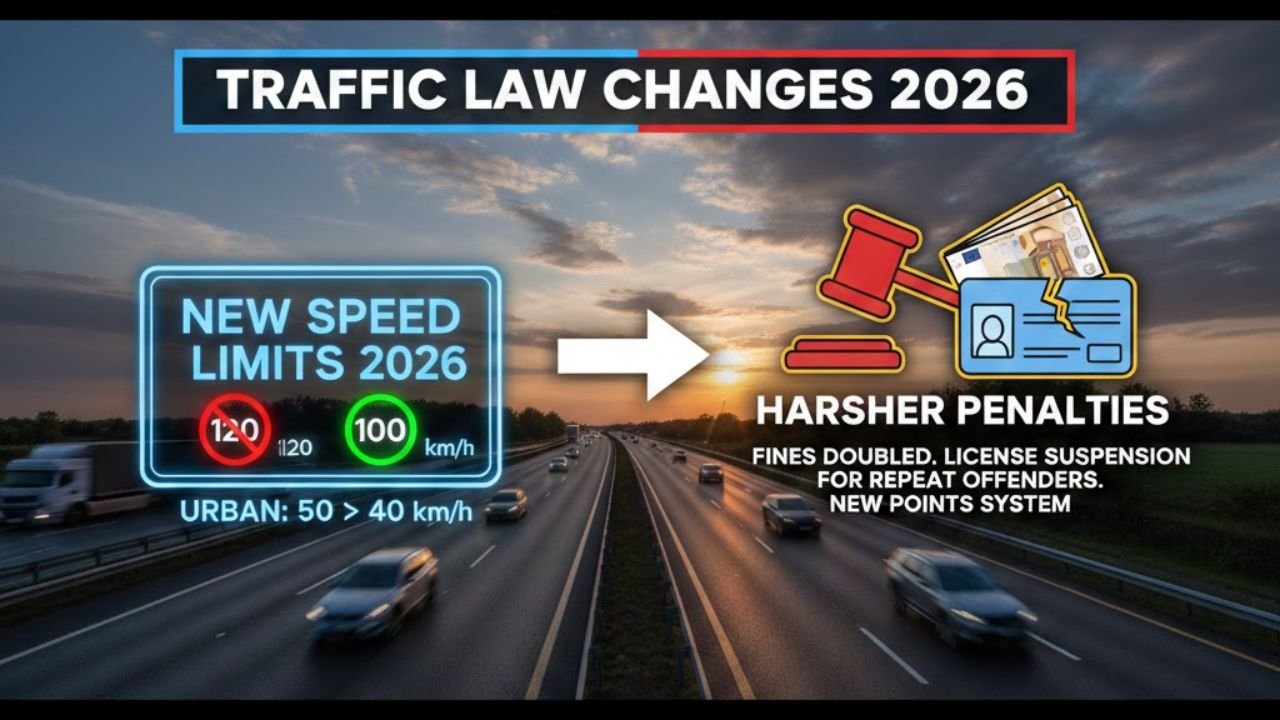
Drivers worldwide are navigating a wave of stricter traffic regulations in 2026, aimed at curbing accidents and promoting safer roads through technology and tougher enforcement. These updates reflect growing concerns over speeding, distracted driving, and urban congestion, with many changes rolling out in the U.S., UK, India, and beyond.
Lower Speed Limits Emerge
Many regions are slashing speed limits to protect pedestrians and reduce crash severity. In California, school zones will drop from 25 mph to 20 mph by 2031, but initial enforcement ramps up in 2026 with more signage and cameras. The UK pushes 20 mph defaults in residential and school areas, using average-speed cameras that track you across zones rather than at single points. This shift means everyday drives feel slower, but data shows it cuts injury risks by up to 40 percent in built-up spots.
Harsher Speeding Penalties
Gone are the days of lenient fines for minor speeding. New York now slaps four points on your license for exceeding limits by up to 10 mph, up from three, with cell phone use jumping to six points and reckless driving hitting eight. In Colorado work zones, fines start at $75 for 10+ mph over, enforced via automated systems from early 2026. Missouri and other states tie penalties to insurance hikes, making a single ticket cost hundreds extra annually.
Tech-Driven Enforcement Tools
Artificial intelligence and smart cameras dominate 2026 enforcement. UK’s Intelligent Speed Assistance (ISA) in new vehicles nudges drivers back to limits automatically, while AI spots phone use or lane drifting without officer presence. India’s updated challans use similar tech for overspeeding, with fines from ₹1,000-₹2,000 for two-wheelers. These tools eliminate excuses like “missed the sign,” focusing on consistent compliance over spot checks.
Expanded “Slow Down, Move Over”
Roadside worker safety gets a major boost. California’s AB 390 extends the “Slow Down, Move Over” rule to all stationary vehicles with hazard lights, including maintenance trucks. Nationwide U.S. trends mirror this, with states lowering point thresholds for suspensions—New York at 10 points in 24 months. Violators face steep fines and potential license loss, as tow trucks and emergency responders report fewer close calls already.
Here’s a quick look at key penalty changes across regions:
| Violation Type | U.S. (e.g., NY/CA) Fines/Points | UK Fines | India Fines (Two-Wheelers) |
|---|---|---|---|
| Speeding 1-10 mph over | 4 points + $100-300 | £100 + 3 points | ₹1,000-₹2,000 |
| Cell Phone Use | 6 points + $200+ | £200 + 6 points | ₹5,000 + suspension |
| School/Zone Speeding | $150-500, doubled in zones | £100-1,000 | ₹2,000+ |
| Reckless Driving | 8-11 points, possible suspension | Unlimited court fine | Court penalty + jail |
Clean Air and Parking Crackdowns
Urban areas tighten emissions rules alongside traffic laws. UK’s expanded Clean Air Zones (CAZ/ULEZ) charge non-compliant diesels £12.50 daily, with app-only parking bays and pavement fines for idling. These pair with speed rules to ease congestion, but drivers of older vehicles face tough choices like upgrades or route avoidance. Globally, Vision Zero initiatives push zero fatalities via these integrated measures.
What Drivers Must Do Now
Adaptation starts with vehicle checks and apps for real-time limits. New cars often come ISA-ready, so test those features. In high-enforcement zones, budget for potential fines—many are income-banded in Europe for fairness. Safe habits like hands-free calls and cushion speeds pay off quickest, keeping records clean amid stricter insurance links.
Staying ahead means local awareness, as states tweak rules monthly. These changes aim for fewer deaths, with early 2026 data showing compliance rises where tech leads.
FAQs
Q1: Will 20 mph limits apply everywhere?
A: No, mainly residential, schools, and urban zones—check signs and apps.
Q2: How do points affect insurance?
A: Expect 20-50% premium hikes; shop quotes after any ticket.
Q2: Are fines higher for repeat offenders?
A: Yes, often doubled with suspension risks after 2-3 violations.
Disclaimer:
The content is intended for informational purposes only. You can check official sources; our aim is to provide accurate information to all users.